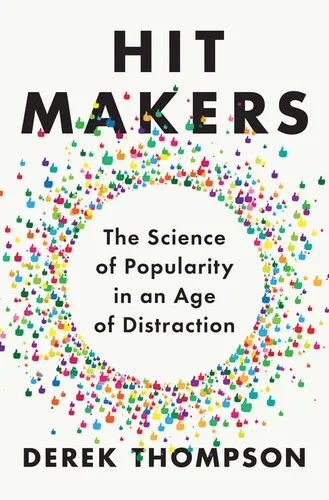
Why read it — Thompson’s paradox is the useful part: audiences crave novelty, but they buy familiarity—hits are usually optimal newness, a calibrated blend of surprise and recognition. The book roams music, film, fashion, and tech with reporter energy; it is not a tight theory, but it gives you a lens for why some ideas propagate while better ones die quiet deaths. Read it when you are trying to understand distribution as part of the product, not an afterthought.
Cross-domain lens — Media, culture, and economics meet in distribution infrastructure: radio, retail shelf space, algorithms, social graphs. The human layer is taste as a social process—signaling, imitation, status. The digital layer accelerates what was always true: repetition builds fluency; fluency feels like quality. Thompson is clearer on culture markets than on power asymmetries inside platforms, which is where the stack gets political fast.
Stack Takeaway
- “Going viral” is less magic than placement + repetition + slight twist—most hits are engineered after the fact by channels, not born perfect in isolation.
- Familiarity is a cognitive subsidy; innovators who ignore it optimize for admiration instead of adoption.